Advocating gender-sensitive language
Since 2011, the Association 'Linguists' has advocated the use of gender-sensitive language in the public sphere, as well as politically correct terminology in general.
Discrimination through language manifests itself in using the masculine gender as the generic gender for both men and women, in addressing women with titles denoting their marital status – Mrs or Miss - in public communication and generally in offensive terminology used in public documents, the media and school textbooks: handicapped and mentally retarded instead of person with disability or faggot, homosexual instead of gay.
The legal framework for the solution to this problem is laid out in the Law on Gender Equality and the Law on Prohibiting Discrimination. These laws are based on the Universal Declaration on Human Rights; another important document to be mentioned is UNESCO's Guidelines on Gender-Neutral Language. We would like to direct the attention of the public to the legal provision stating that “discrimination through language occurs when one grammatical gender is used as a generic term“(Amendments to the Law on Gender Equality in BiH, the Official Gazette 102/09, 29/12/2009).
We wish to provide the impetus for introducing gender-sensitive language in all spheres of the society by providing guidelines and practical advice for introducing gender-sensitive language in school textbooks, legal and media discourse, as well as job classifications and academic titles.
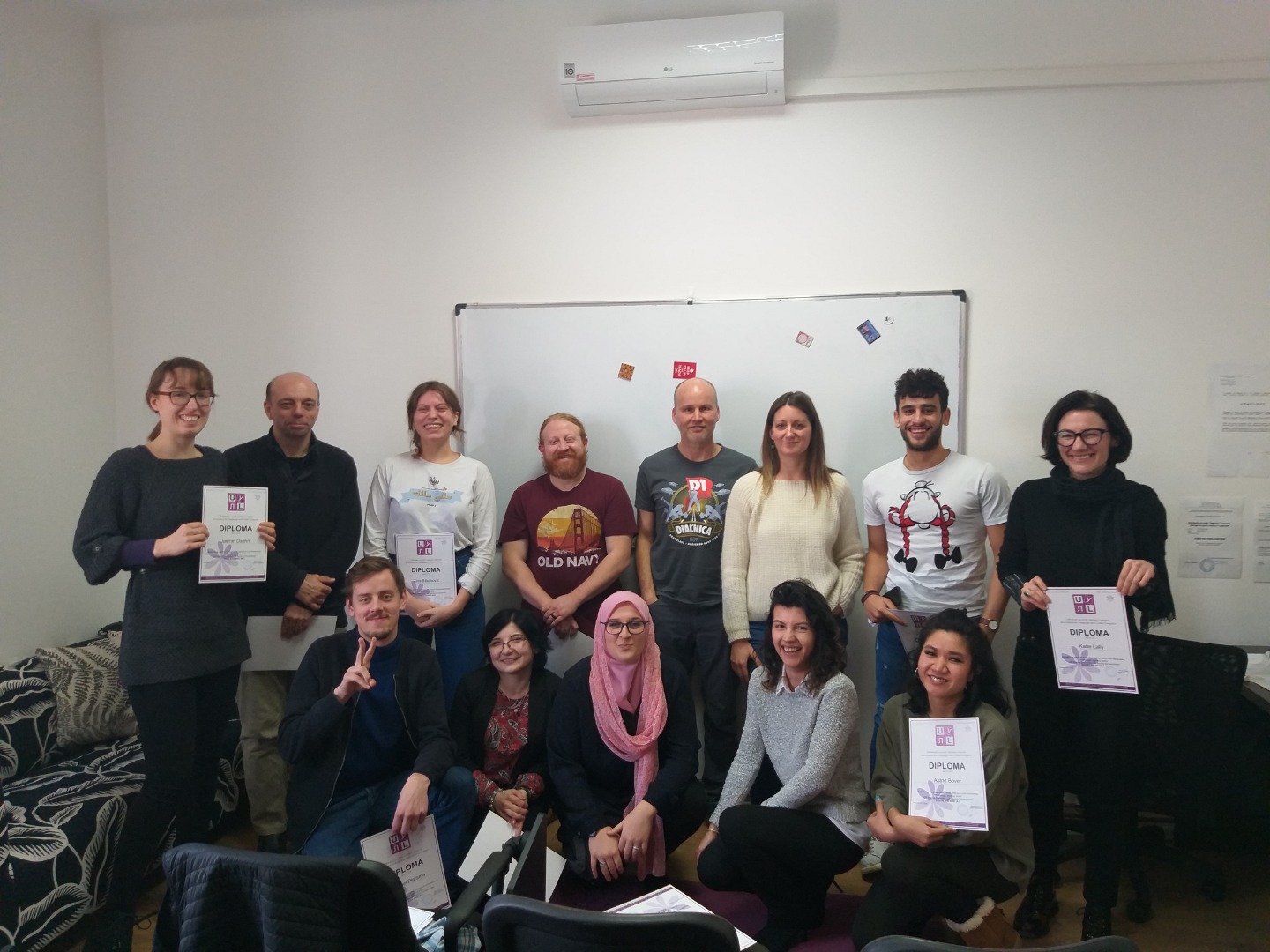
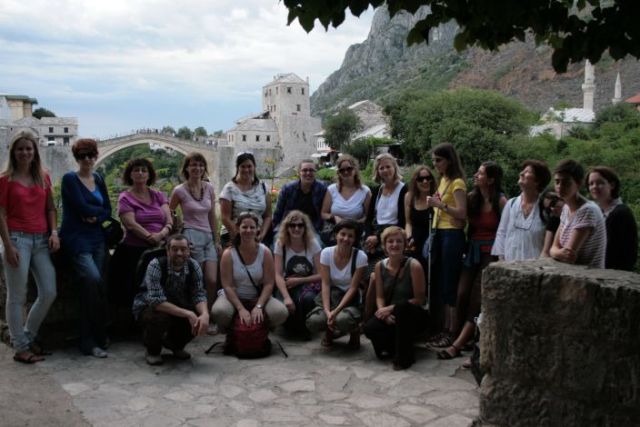
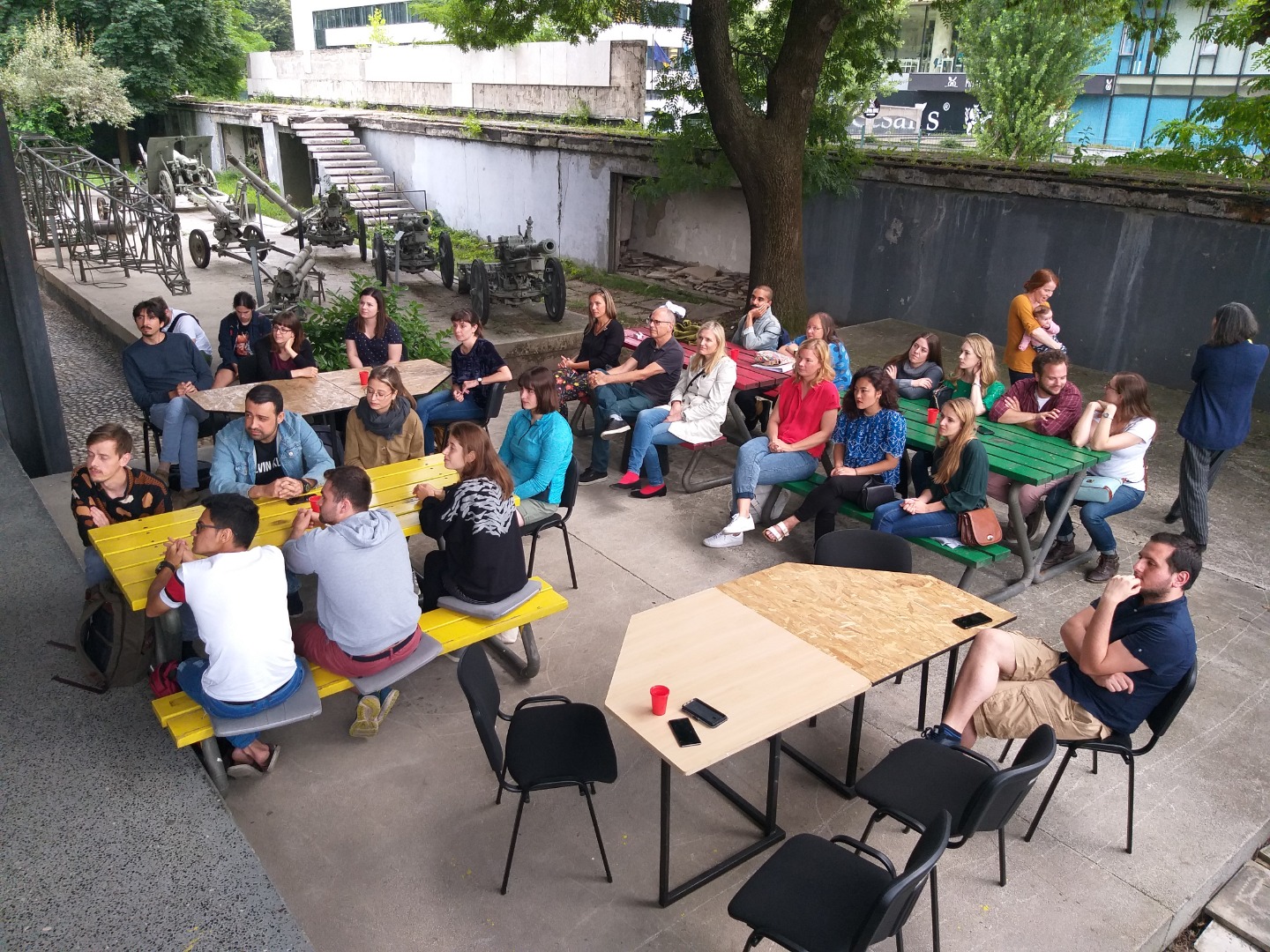
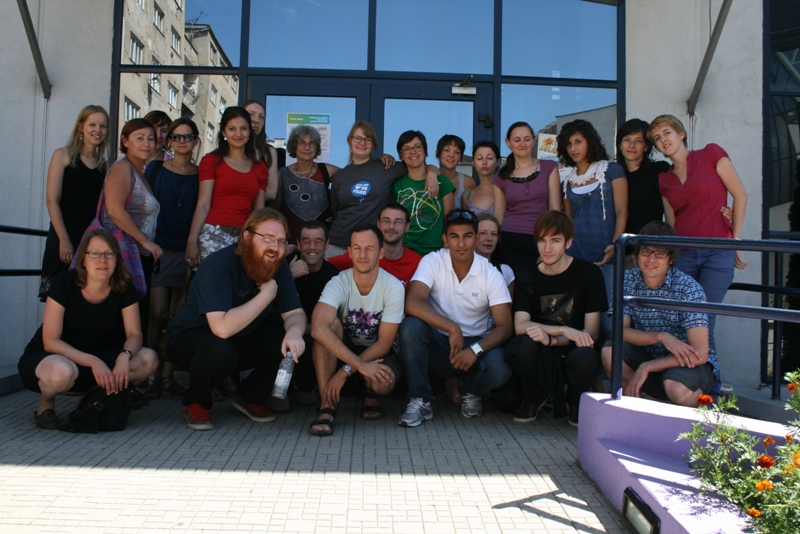
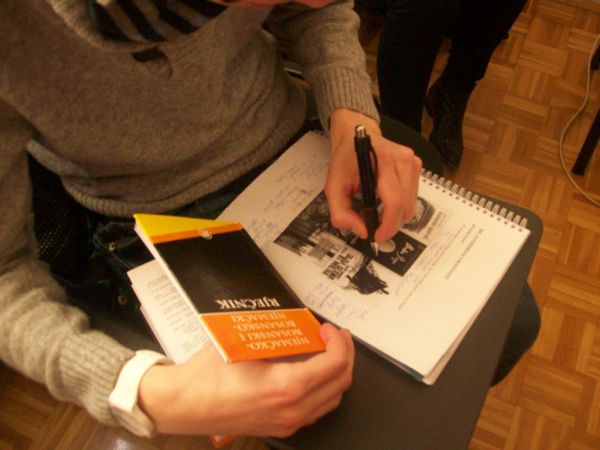
We worked with more than 50 proofreaders in the project. In our workshops, we discussed the importance of using gender-sensitive titles for female doctors or ministers and why titles were neither degrading nor insulting, as is often perceived. One of the concrete examples we worked on is the usage of the masculine form sekretar Hillary Clinton. We agreed on using the feminine forms sekretarka or tajnica, regardless of the standardized variety of BCS.
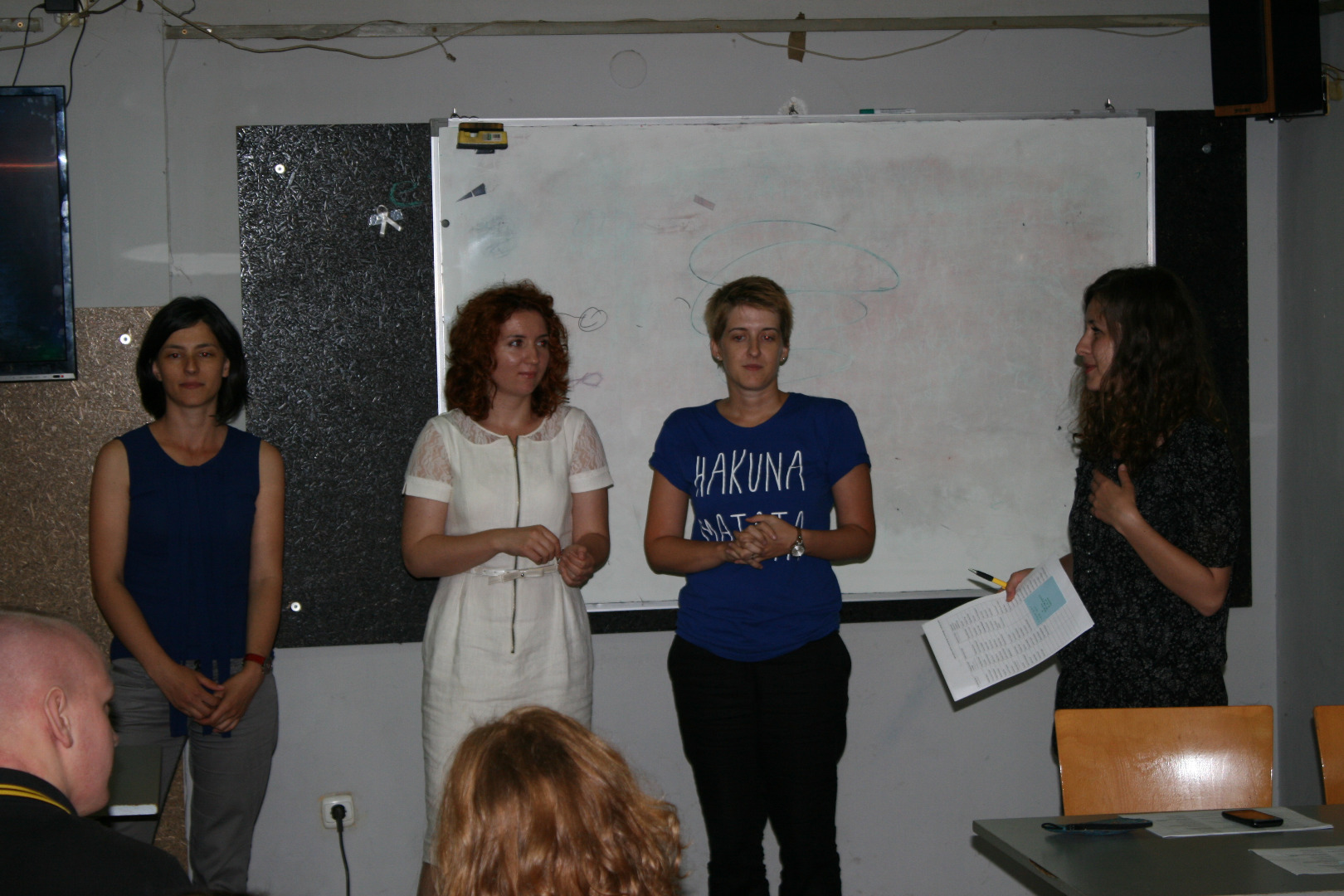
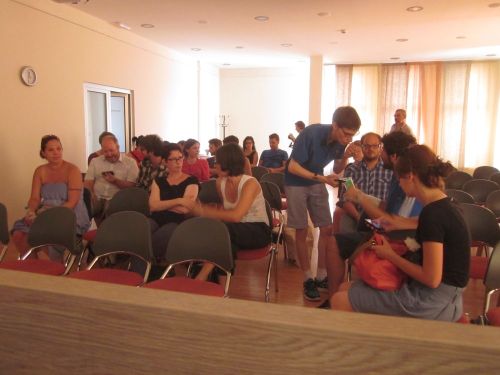
In addition to the four workshops which the six groups of participants attended, we also invited prominent professors from Sarajevo, Zagreb, Belgrade and Novi Sad to hold four lectures on this issue.
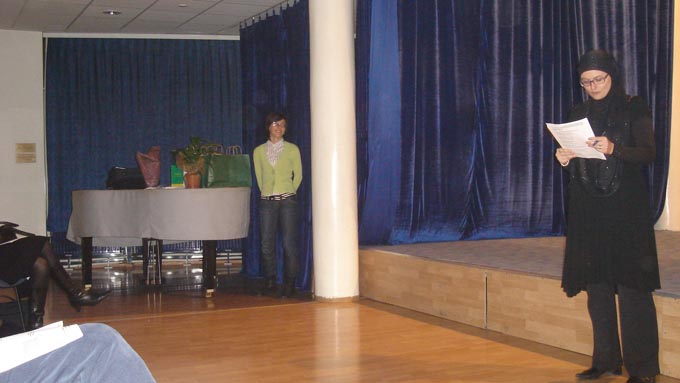
The first lecture took place on 5 February at the premises of the Centre for Interdisciplinary Postgraduate Studies, a partner in the project. Associate professor Amela Šehović, a professor at the Faculty of Philosophy in Sarajevo, held a lecture on Addressing Women in Bosnian, Croatian, Serbian Language.
On 22 February, Associate professor Mislava Bertoša, a professor at the Faculty of Philosophy in Zagreb, held a lecture at CIPS called Gender-Sensitive Language – Between Resisting and Accepting Changes in the Language.
On 28 February, Hana Ćopić held a lecture on Otherness in Language. Applied Arts. The lecture also included a screening of a film that deal with the issue of language and power.
The final lecture was held by Svenka Savić, professor emerita at the University of Novi Sad, who shared with us her rich experience in fighting for equality for women in public discourse and language.
The project resulted in the publication of a manual in which we proposed certain solutions: using suffixes to form feminine nouns (whether to use psihologica, psihološkinja or psihologinja, whether to use sekretarica or sekretarka etc.) and suggesting ways to address marginalized groups in the society.
The first half of the manual contains suggestions for using gender-sensitive language in public discourse (textbooks, media reports and harmonizing legal documents with the Law), recommendations for using politically correct language to refer to persons with disabilities, LGBTTIQ population and other groups of citizens. The second part of the manual consists of a glossary with feminine and masculine forms for each of the varieties: Bosnian, Croatian, Serbian. This was our way of helping proof-readers as well as other users whenever they are unsure how to derive a certain form. Also, we added a further reading section for those who want to find out more about the topic.
The manual was written by Jasmina Čaušević and Sandra Zlotrg. We would like to thank all our collaborators for their generous help. The manual was reviewed by Associate professor Amela Šehović and M.Sc. Đermana Šeta.
One of the conclusions of the project was that trainings of this type should be held not just with proof-readers but also news presenters, PRs, journalists and all those who use standard language in official and public communication.
You can download the manual by clicking on the link Manual in PDF.
Our motto is that language in and of itself is neither androcentric nor discriminatory – it is the users who make it so.
Financially supported by funds from the FIGAP program.
Institutional project partner – Centre for Interdisciplinary Studies at the University of Sarajevo.
Comments